
Virtual Event
Nuclear History:
Hiroshima, Nagasaki, and the stories we must never forget
Atomic bomb dome (Genbaku Dome) with plaque, Hiroshima, Japan.

Tuesday, August 18, 2026

10:15 a.m. - 11:00 a.m. CT

YouTube
In August 1945, the United States used nuclear bombs on the Japanese cities of Hiroshima and Nagasaki. It was the first and remains the last time that nuclear weapons have been used in war. The story of how those bombs were made, the decision to use them, and the effects on Japan and its people have been central to conversations around nuclear weapons ever since. To mark 81 years since that August, the Bulletin is bringing together three storytellers who have engaged with that history in diverse ways to talk about what happened, what society remembers (and what it doesn’t), and why telling these stories is still crucial more than eight decades into the nuclear era.
In August 1945, the United States used nuclear bombs on the Japanese cities of Hiroshima and Nagasaki. It was the first and remains the last time that nuclear weapons have been used in war. The story of how those bombs were made, the decision to use them, and the effects on Japan and its people have been central to conversations around nuclear weapons ever since. To mark 81 years since that August, the Bulletin is bringing together three storytellers who have engaged with that history in diverse ways to talk about what happened, what society remembers (and what it doesn’t), and why telling these stories is still crucial more than eight decades into the nuclear era.
Speakers
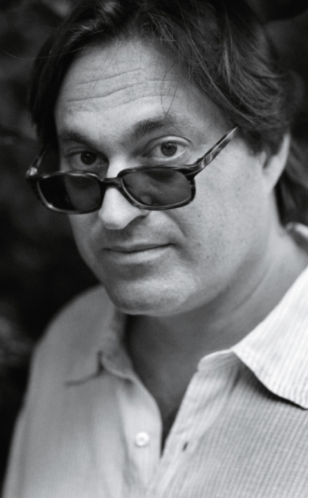
Donald Rosenfeld is an American film producer who was the president of Merchant Ivory Productions from 1986 through 1998. Rosenfeld was the lead producer on the major Merchant Ivory films created in what is now considered their golden decade. Along with Ismail Merchant, James Ivory and Ruth Prawer Jhabvala, Rosenfeld worked on the creation of the well-received films Mr. and Mrs. Bridge, Howards End (8 Academy Award nominations), and The Remains of the Day (9 Academy Award nominations), among others. Rosenfeld was the youngest producer ever to become a member of the Academy of Motion Picture Arts and Sciences in 1992. He's now the publisher of County Highway, a magazine in the form of a 19th-century newspaper founded by David Samuels and Walter Kirn.
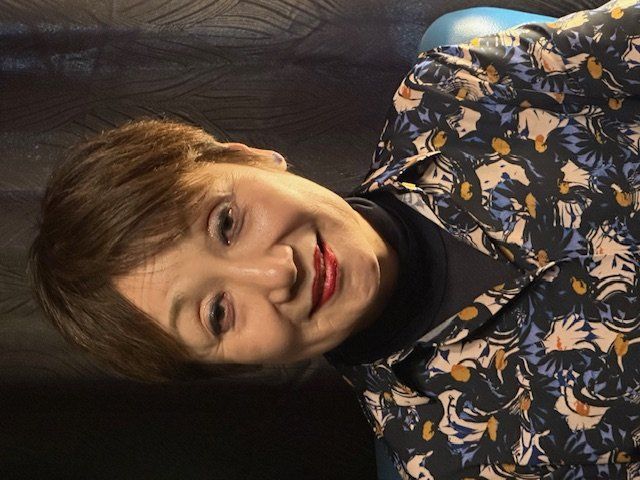
Mitchie Takeuchi was raised in Hiroshima and has been a long-time resident of New York City. Her mother, Takako Takeuchi, and her grandfather, Dr. Ken Takeuchi—Founding Director of the Hiroshima Red Cross Hospital—both survived the atomic bombing on August 6, 1945. From 1945 to 1948, Dr. Takeuchi led emergency medical care for the injured and dying in Hiroshima and played a central role in rebuilding the Red Cross Hospital.
After moving to the United States, Mitchie built a professional career focused on research, planning, and cross-cultural project development between Japan and the U.S.
As a teenager, before leaving Japan, Mitchie volunteered at the World Friendship Center in Hiroshima, a peace community founded by Barbara Reynolds and Dr. Tomin Harada, a Hiroshima surgeon who led the Hiroshima Maidens Project in cooperation with Mount Sinai Hospital. Working closely with the Center’s American director, Leona Row, she helped initiate a book translation workshop. Its first project became Unforgettable Fire: Drawings by Atomic Bomb Survivors, an enduring anti-nuclear classic.
Decades later, Mitchie produced and co-wrote The Vow From Hiroshima, which has been officially recommended for young audiences worldwide by Hiroshima Mayor Kazumi Matsui. She received the Japan Film Renaissance Conference Peace Film Award.
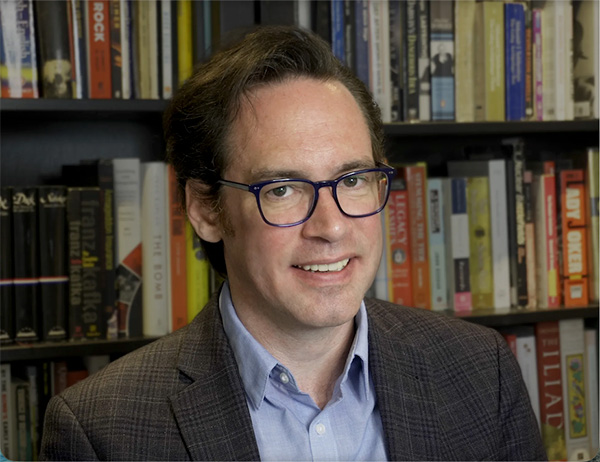
Moderator: Alex Wellerstein is a Senior Fellow at the Bulletin of the Atomic Scientists, an associate professor at the Stevens Institute of Technology in Hoboken, NJ, and a visiting researcher at the Nuclear Knowledges program at the Center for International Studies at Sciences Po, Paris, France.
His first book, Restricted Data: The History of Nuclear Secrecy in the United States was published in 2021 by the University of Chicago Press, and his second book, The Most Awful Responsibility: Truman and the Secret Struggle for Control of the Atomic Age was published by HarperCollins in late 2025.
He is the author of the blogs Restricted Data and Doomsday Machines, and the creator of the NUKEMAP, an online nuclear effects simulation tool. He received a BA in History from the University of California, Berkeley, in 2002, and a PhD from the Department of the History of Science at Harvard University in 2010.
© 2026 BULLETIN OF THE ATOMIC SCIENTISTS
1307 E 60TH ST CHICAGO, IL 6063